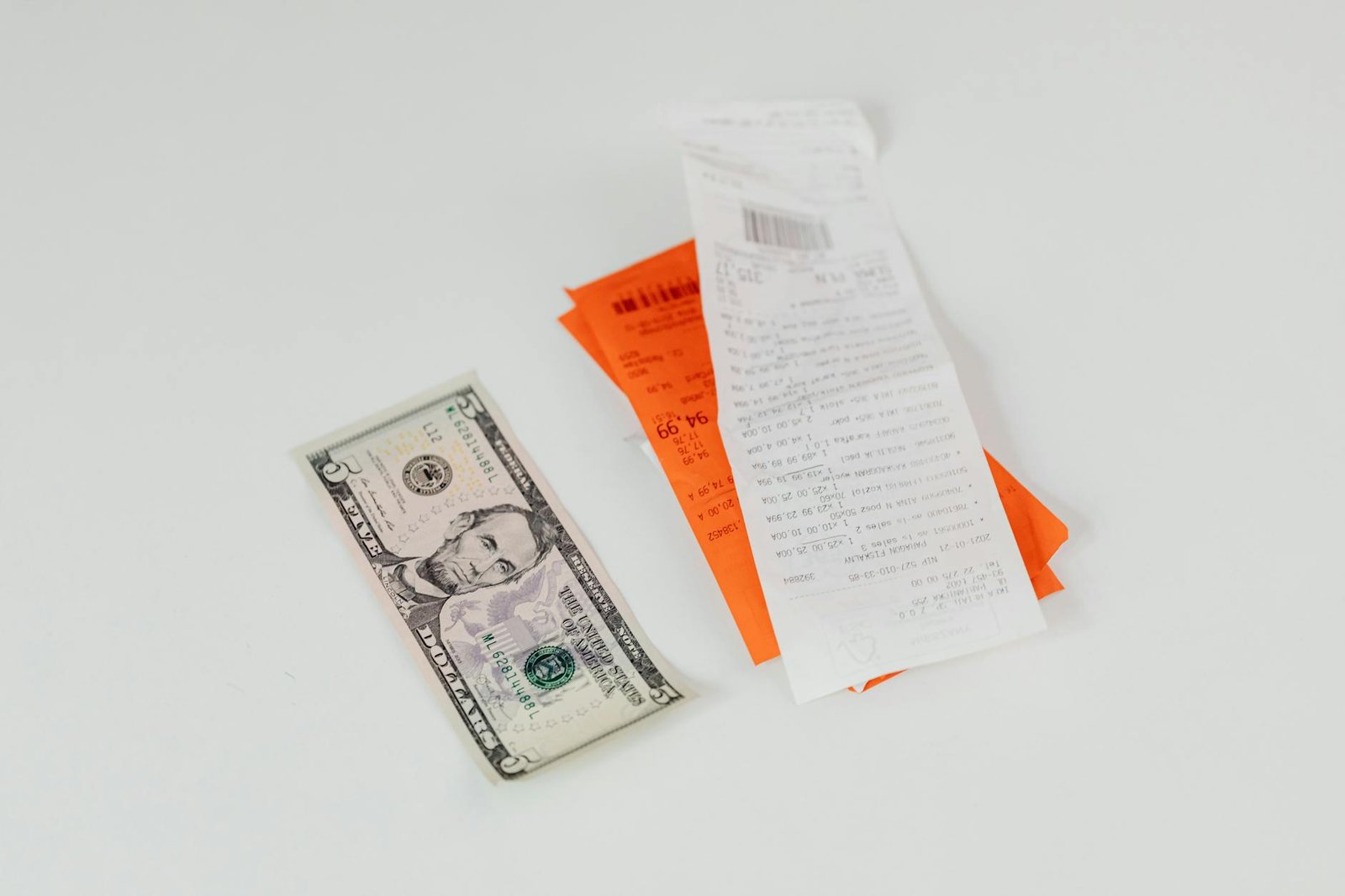
I still remember the day I realized I was **broke and wiser**, sitting at my kitchen table, staring at a stack of unpaid bills and wondering how I’d let things get so out of hand. It was a tough moment, but it marked a turning point in my relationship with money. I’d made some expensive mistakes, and I was determined to learn from them. Looking back, I can see that being broke was a catalyst for change, teaching me the value of a dollar and the importance of managing my finances effectively.
## Learning to Budget
But what does it mean to be **broke and wiser**? For me, it’s about understanding the importance of budgeting and prioritizing my spending. I used to think that budgeting was about depriving myself of things I wanted, but now I see it as a way to make conscious choices about how I spend my money. It’s not about cutting back on everything, but about allocating my resources in a way that aligns with my values and goals.
## The Cost of Impulse Buying
And then there’s the issue of impulse buying, which can be a major **money mistake**. I’ve lost count of the number of times I’ve bought something on a whim, only to realize later that I didn’t really need it. Whether it’s a fancy gadget or a expensive pair of shoes, impulse buying can quickly add up and blow a hole in your budget. So, how can you avoid making this mistake? Here are a few strategies that have worked for me:
* Take a 30-day waiting period before making non-essential purchases
* Make a list of your financial goals and prioritize them
* Practice mindful spending by paying attention to your thoughts and feelings when you’re shopping
## Building an Emergency Fund
So, what’s the best way to build an **emergency fund** and avoid going broke? For me, it’s been about setting aside a small amount of money each month and making it a priority. It’s not always easy, but it’s worth it to have a safety net in case something unexpected comes up. But how much should you save? A good rule of thumb is to aim for 3-6 months’ worth of living expenses. Here are some tips for building your emergency fund:
* Start small and work your way up
* Automate your savings by setting up a monthly transfer
* Consider using a separate savings account to keep your emergency fund separate from your everyday spending money
Avoiding Lifestyle Creep
But even when you’re doing well financially, it’s easy to get caught up in **lifestyle creep**. You know, when you start to earn more money and suddenly find yourself spending more on luxuries and upgrades. It’s a sneaky thing, because it can happen gradually, without you even realizing it. But the problem is, lifestyle creep can quickly erode your savings and leave you feeling like you’re not getting ahead. So, how can you avoid it? For me, it’s been about being mindful of my spending and making sure that I’m not using money as a way to keep up with the Joneses.
As I look back on my journey, I can see that being **broke and wiser** has been a valuable experience. It’s taught me the importance of managing my finances effectively and avoiding expensive mistakes. So, what about you? What have you learned from your own experiences with money? I’d love to hear your thoughts and stories – let’s keep the conversation going!