
Anonymous Confession
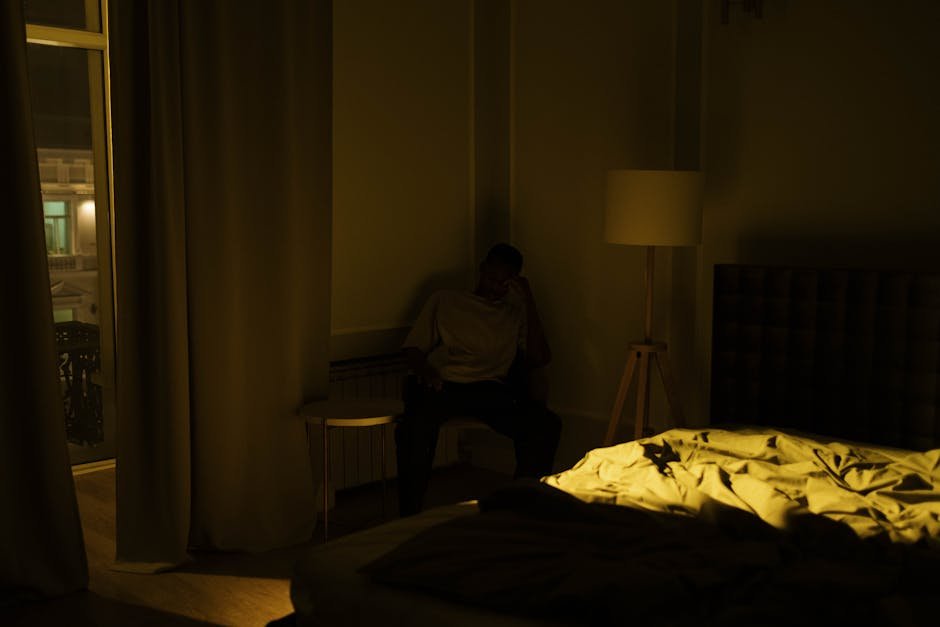
The silence in our cul-de-sac now is deafening. Not the peaceful kind you cherish on a Sunday morning, but the hollow echo of a battlefield after the last shot has been fired. And I can’t tell if I’m the victor, or just another casualty in a war I meticulously planned and executed.
For years, he was the persistent buzz in the back of my mind, the itch under my skin that never went away. Mr. Henderson. Our neighbor. He wasn’t overtly malicious, not a villain in the classic sense. He was just… oblivious. A connoisseur of “buffoonery,” as the title suggests. His vintage muscle car, perpetually in various states of loud repair, would roar to life at 6 AM on Saturdays, then again at midnight on Tuesdays. His garage became a de facto auto shop, cars lining the street, tools clanging, rock music blaring while he “worked” well into the night. His dog, King, a perpetually agitated terrier mix, barked like a deranged siren every time a leaf fell, and Mr. Henderson would just shrug, a self-satisfied smirk playing on his lips if you ever dared to mention it.
Then there were the smaller things, the tiny needles that pricked at my patience: the overflowing trash bins left out for days, the passive-aggressive comments about my lawn care – “Looks like you gave up, huh?” – whispered just loud enough for me to hear as I weeded. Never a direct confrontation, always a subtle jab, a boundary pushed, a peace disturbed. I tried everything. Anonymous notes about noise ordinances, a friendly chat that was met with a blank stare, even a gift basket with earplugs – which he actually thanked me for, thinking it was a thoughtful gesture. He simply did not care about anyone else’s peace. It wasn’t malice; it was pure, unadulterated self-absorption.
The tipping point wasn’t one big explosion, but a slow, suffocating build-up. It was the night my newborn finally fell asleep after a two-hour battle, only to be jolted awake by Mr. Henderson revving his engine for twenty minutes straight at 1 AM. It was seeing him dump what looked suspiciously like used motor oil into the storm drain, shrugging when I glared. It was the constant parade of strangers’ cars blocking our shared driveway, honking impatiently for him to open his garage. My sanity was fraying, thread by thread.
That’s when the planning began. I started documenting. Every rumble, every clang, every late-night session. Dates, times, audio recordings from my phone, subtle photos of the various cars. I researched HOA regulations, city noise ordinances, zoning laws about operating a business from a residential property. It became an obsession, fueled by years of suppressed frustration. I wasn’t angry anymore; I was cold, calculated. I knew he was operating his “hobby” as an unregistered, cash-only business. That was his Achilles’ heel.
The day I submitted my detailed, meticulously organized report to the HOA and city zoning department was strangely anticlimactic. No dramatic flourish, just a quiet click of the mouse. But then, the storm broke. First, an official HOA warning. He ignored it. Then, a cease-and-desist from the city, citing multiple violations: noise, unregistered business, improper waste disposal, and zoning issues. The fines started rolling in.
The transformation was immediate and jarring. The noise stopped. The parade of cars vanished. His garage door, once a portal to automotive chaos, remained stubbornly shut. I’d catch glimpses of him through my window, pacing his yard, yelling into his phone, his usual self-satisfied swagger replaced by a defeated slump. He knew someone had reported him, and he suspected everyone, glaring at each house in turn, including mine. But he couldn’t prove a thing. The satisfaction, at first, was intoxicating. A wave of relief so profound it almost buckled my knees. The quiet was glorious.
But then, a different kind of quiet settled in. A heavy, uneasy quiet. I saw him loading boxes into his car, then into a small moving truck. His garage, once a monument to his selfishness, was empty. A “For Sale” sign appeared in his yard. He was selling. He was leaving. All because of me.
Now, as I watch the moving truck pull away, taking all his “buffoonery” with it, a strange sense of emptiness fills me. He’s gone. Peace has returned to the cul-de-sac. But did I overstep? Was my quest for peace simply a cover for something darker, more vindictive? Seeing him so utterly defeated, the life drained from his once-boisterous personality, it doesn’t feel like pure victory anymore. It feels… complex.
Was this truly justice, or did I just plant a seed of bitterness in my own heart, one that will fester in this newfound quiet?