
## Introduction to the Walled City
Behind the Red Fort walls, my journey through the hidden Delhi diary of secrets and redemption began with an insatiable curiosity about the city’s lesser-known tales. Delhi, a city with a rich history spanning thousands of years, is home to numerous monuments, each whispering stories of the past. The Red Fort, a symbol of India’s struggle for independence, stands tall with its red sandstone walls, guarding secrets that only reveal themselves to those who dare to listen. As I delved deeper into the heart of Delhi, I discovered a city that was both familiar and unknown, full of secrets waiting to be unearthed.
## Uncovering the History of the Red Fort
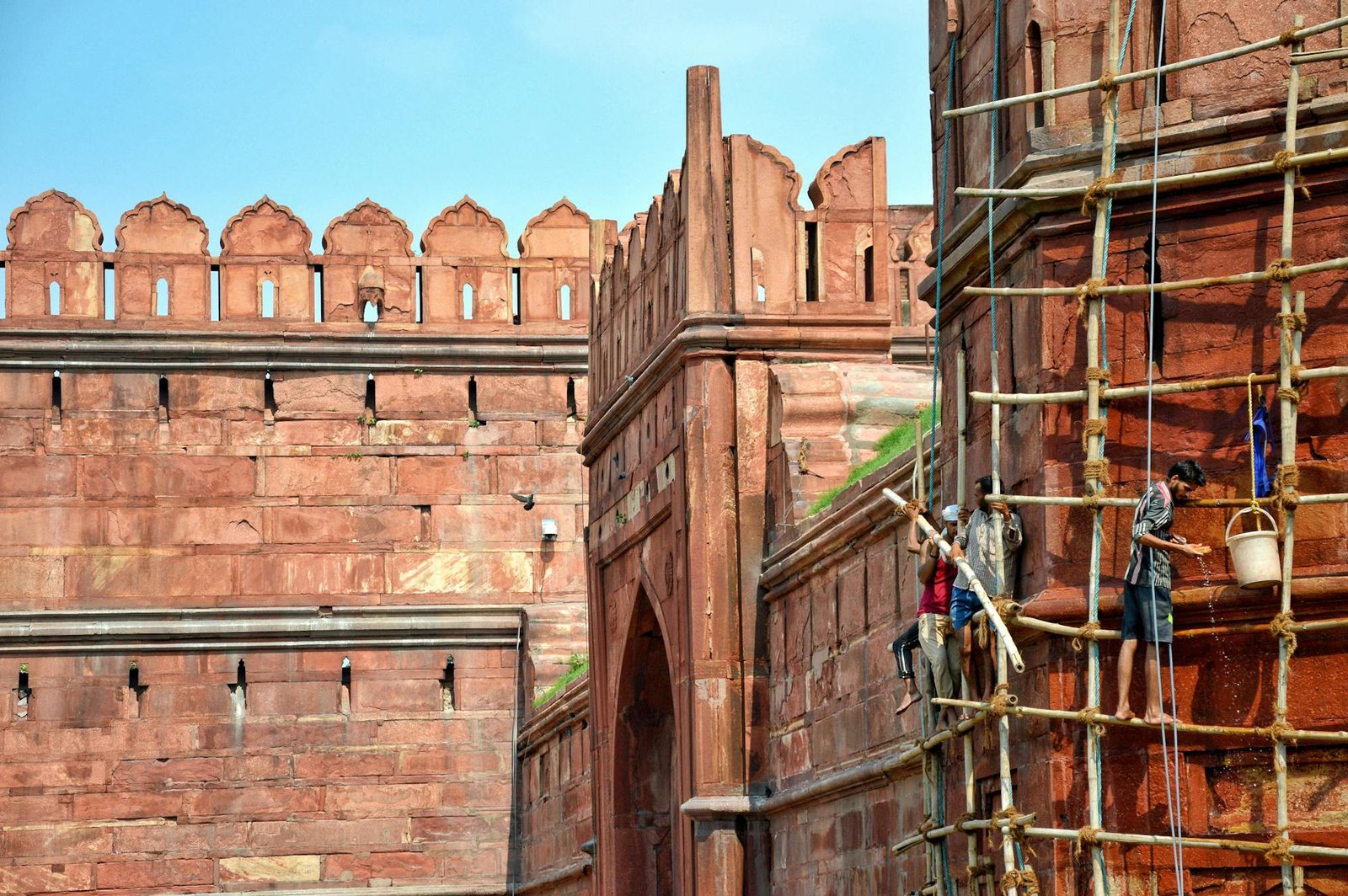
The Red Fort, or Lal Qila, has been a silent witness to the rise and fall of empires. Built by Mughal Emperor Shah Jahan in 1648, the fort was designed to serve as the capital of the Mughal Empire. Its walls have seen the opulence of the Mughal dynasty, the brutality of the British colonial rule, and the birth of a new nation. As I walked through the fort’s imposing gates, I felt the weight of history beneath my feet. The Red Fort’s architecture is a blend of Indian, Persian, and European styles, reflecting the cultural diversity of the Mughal Empire. From the intricate carvings on the walls to the majestic mosques and palaces, every aspect of the fort tells a story of love, power, and betrayal.
### Exploring the Hidden Corners of the Red Fort
As I explored the hidden corners of the Red Fort, I stumbled upon the Mumtaz Mahal, a beautiful palace built in honor of Shah Jahan’s beloved wife, Mumtaz Mahal. The palace is a testament to the love story of the royal couple, which has become a legend in Indian history. I also visited the Khas Mahal, the private palace of the emperor, which showcases the lavish lifestyle of the Mughal rulers. The Diwan-i-Khas, or the Hall of Private Audiences, is another notable structure within the fort, where the emperor would meet with his nobles and dignitaries. Each of these structures is a window into the past, offering a glimpse of life behind the Red Fort walls.
## Discovering the Secrets of the Walled City
As I ventured beyond the Red Fort, I discovered a city that was full of secrets and surprises. From the narrow alleys of Chandni Chowk to the bustling streets of Connaught Place, every corner of Delhi has a story to tell. I visited the Jama Masjid, one of the largest mosques in India, which offers a breathtaking view of the city from its minarets. I also explored the Qutub Minar, a UNESCO World Heritage Site and one of the tallest minarets in the world. The Qutub Minar is a symbol of the city’s rich cultural heritage, with its intricate carvings and ornate architecture. As I delved deeper into the city, I discovered a Delhi that was both hidden and visible, a city that was waiting to be explored and discovered.
### The Cultural Significance of the Red Fort
The Red Fort is not just a historical monument; it is also a cultural symbol of India’s struggle for independence. The fort has been a witness to many significant events in Indian history, including the Indian Rebellion of 1857 and the Independence Movement. Every year, on August 15th, the Prime Minister of India hoists the national flag at the Red Fort, marking the country’s independence from British rule. The Red Fort has also been a source of inspiration for many Indian artists, writers, and musicians, who have been fascinated by its grandeur and beauty. As I walked through the fort’s gates, I felt a sense of pride and patriotism, knowing that I was walking in the footsteps of India’s freedom fighters.
## The Hidden Delhi Diary of Secrets and Redemption
As I continued my journey through the hidden Delhi diary of secrets and redemption, I discovered a city that was full of contrasts. From the luxurious malls of South Delhi to the crowded streets of Old Delhi, every corner of the city has a unique character and charm. I visited the Hauz Khas Village, a charming neighborhood with its narrow alleys, boutique shops, and trendy restaurants. I also explored the Delhi Haat, a cultural complex that showcases the city’s rich crafts and traditions. As I delved deeper into the city, I discovered a Delhi that was both modern and traditional, a city that was constantly evolving and changing.
### Uncovering the Secrets of the City
As I uncovered the secrets of the city, I realized that Delhi is a city that is full of surprises. From the street food of Chandni Chowk to the nightlife of Hauz Khas, every experience is a new discovery. I tried the delicious parathas of Paranthe Wali Gali, a famous street food destination in Old Delhi. I also visited the Sunder Nursery, a beautiful park with its lush green gardens and stunning architecture. As I explored the city, I discovered a Delhi that was both familiar and unknown, a city that was waiting to be explored and discovered.
## Conclusion
As I concluded my journey through the hidden Delhi diary of secrets and redemption, I realized that the city has a lot to offer. From the Red Fort to the Qutub Minar, every monument and every corner of the city has a story to tell. As I walked through the gates of the Red Fort, I felt a sense of awe and wonder, knowing that I had discovered a city that was both hidden and visible. The Red Fort walls had revealed their secrets, and I had uncovered a city that was full of surprises and redemption. Whether you are a history buff, a foodie, or an adventure seeker, Delhi has something to offer everyone. So come and explore the hidden Delhi diary of secrets and redemption, and discover a city that will leave you spellbound and fascinated.
## Frequently Asked Questions
- Q: What is the best time to visit the Red Fort?
The best time to visit the Red Fort is during the winter months, from October to February, when the weather is cool and pleasant. Avoid visiting during the summer months, when the heat can be unbearable.
- Q: What are the entry fees for the Red Fort?
The entry fees for the Red Fort vary depending on the type of ticket and the nationality of the visitor. Indian citizens can enter the fort for a fee of Rs 50, while foreign nationals need to pay Rs 650.
- Q: Are there any guided tours available for the Red Fort?
Yes, there are guided tours available for the Red Fort. You can hire a guide at the fort’s entrance or book a guided tour in advance through a reputable tour operator. The guided tours can help you understand the history and significance of the fort and its various structures.